

Our Story
Voices of Tomorrow
Our story began with Voices of Tomorrow (VOT), a nonprofit organization dedicated to supporting immigrant and refugee families, particularly within East African communities in King County, Washington. Founded in 2012 by East African community leaders and educators, Voices of Tomorrow was created to address inequities affecting immigrant and refugee children and families. The organization focuses on providing culturally responsive programs that preserve language, strengthen identity, and improve educational and health outcomes for the community. Through early learning programs, family support services, health initiatives, and community advocacy, Voices of Tomorrow works to reduce disparities and ensure that immigrant and refugee families have access to the resources and opportunities they need to thrive.
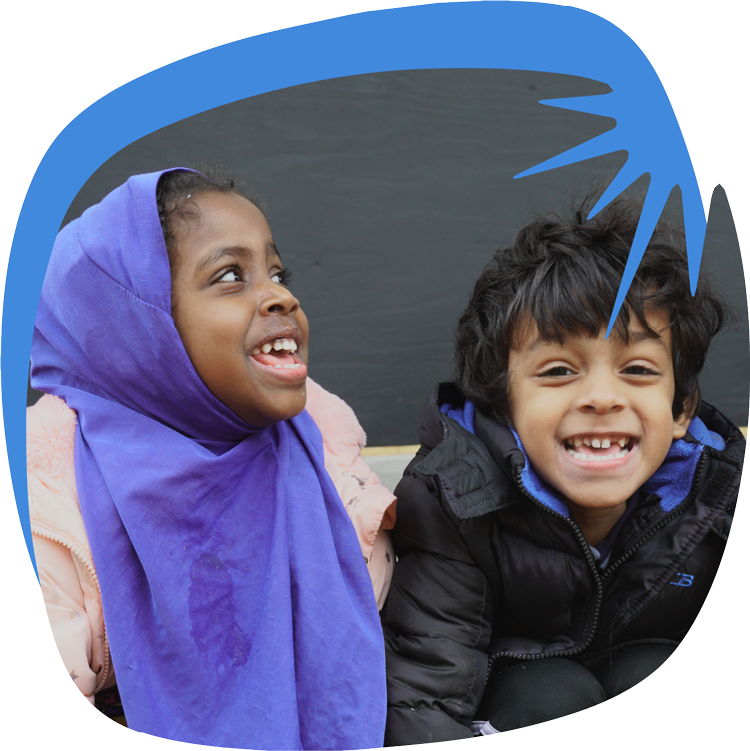
Expanding Mental Health Support for the Community
Through their work in education, family services, and community programs, the founders of Voices of Tomorrow recognized a growing need for accessible and culturally responsive mental and behavioral health services within East African, immigrant, and refugee communities.
Many individuals and families face barriers when seeking mental health care, including:
Limited access to providers who speak their language
Lack of culturally responsive mental health services
Stigma surrounding mental health within the community
Limited awareness of available mental health resources
Recognizing these challenges, the founders of Voices of Tomorrow helped establish Zaif to address these needs directly.

Our Shared Mission
Zaif was created with the vision of providing culturally responsive, accessible, and community-centered mental health care.
Our work is rooted in the understanding that effective mental health services must reflect the cultural backgrounds, languages, and lived experiences of the communities being served. By partnering with Voices of Tomorrow, we aim to:
- Increase access to culturally and linguistically responsive mental health services
- Reduce stigma surrounding mental health within immigrant and refugee communities
- Provide education and outreach about mental wellness
- Connect families with supportive resources and care
Together, we are working to build a community where individuals and families feel supported in seeking help, strengthening their well-being, and thriving across generations.